
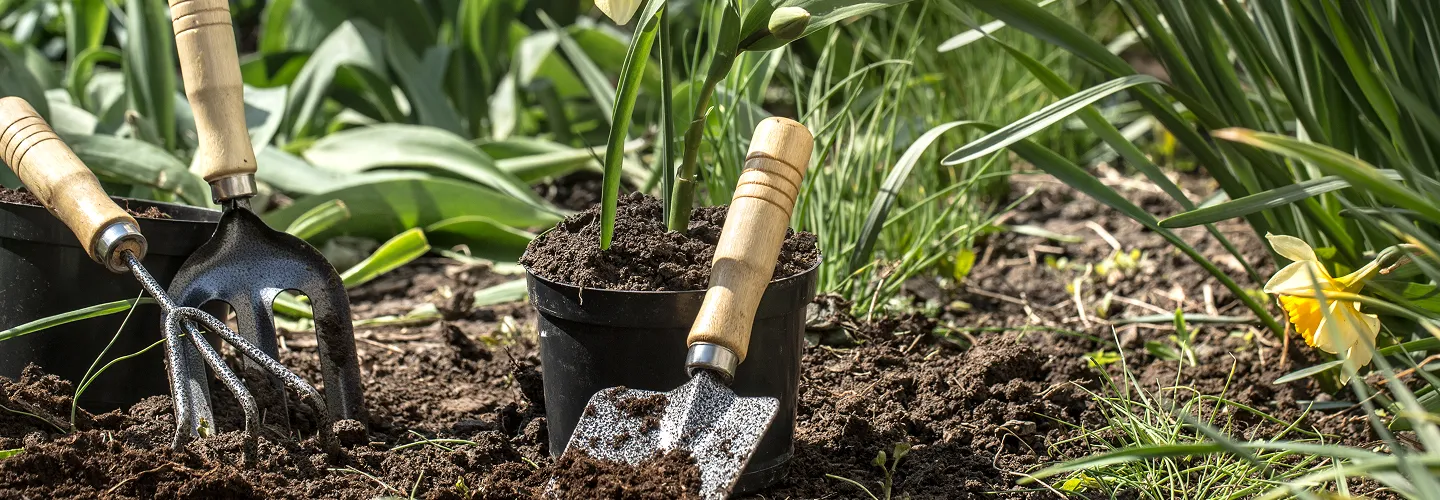
Keystone Green Waste Disposal Services
Choose Keystone for reliable, responsible green waste disposal—protecting your property and the planet with efficient, sustainable practices you can trust.
Get a Free QuoteOur Keystone Landscaping & Yard Care Services
When to Schedule Green Waste Disposal in Keystone, Florida – Seasonal Guide
In Keystone, Florida, the timing of green waste disposal is closely tied to our unique subtropical climate and the rhythms of local landscapes. With mild winters and hot, humid summers, the optimal periods for scheduling green waste removal are typically late winter through early spring and again in late summer to early fall. These windows align with the end of the dormant season and the conclusion of the rainy period, making it easier to manage yard debris before new growth or after heavy storms. Neighborhoods near Lake Keystone and the shaded lanes of Keystone Park experience varying needs due to differences in tree density and soil moisture. Homeowners should also consider local environmental factors such as the last frost date—usually in early February—and the risk of summer droughts, which can affect the volume and type of green waste generated. Areas with heavier shade coverage, like those near Brooker Creek Preserve, may see slower decomposition rates, requiring more frequent disposal. For more information on local guidelines and best practices, visit the Keystone municipal resource.
Local Factors to Consider for Green Waste Disposal in Keystone
- Tree density and species (live oaks, pines, and palms)
- Proximity to water bodies (Lake Keystone, Brooker Creek)
- Seasonal precipitation and storm frequency
- Soil type (sandy vs. loamy)
- Shade coverage and sun exposure
- Municipal restrictions and scheduled pickup dates
- Neighborhood-specific landscaping trends
Benefits of Green Waste Disposal in Keystone
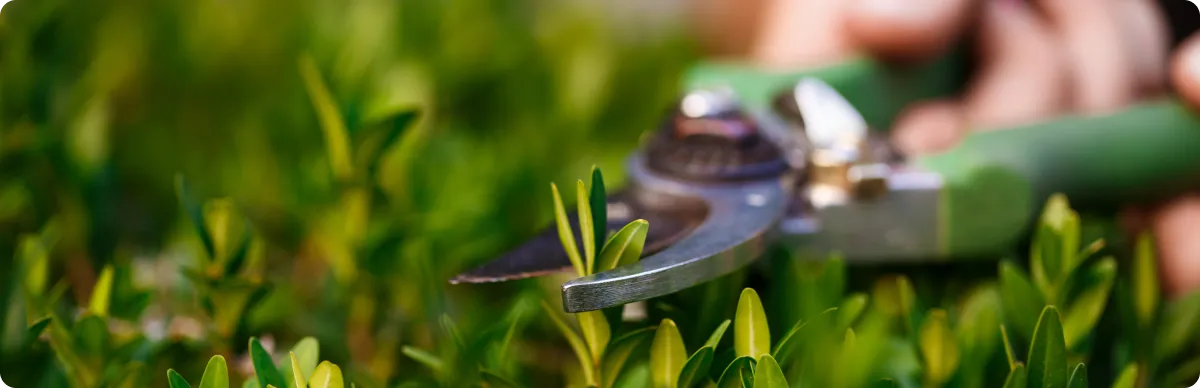
Eco-Friendly Landscaping Solutions
Efficient Green Waste Removal
Promotes Healthy Plant Growth
Reduces Landfill Waste
Supports Local Sustainability
Enhances Property Appearance
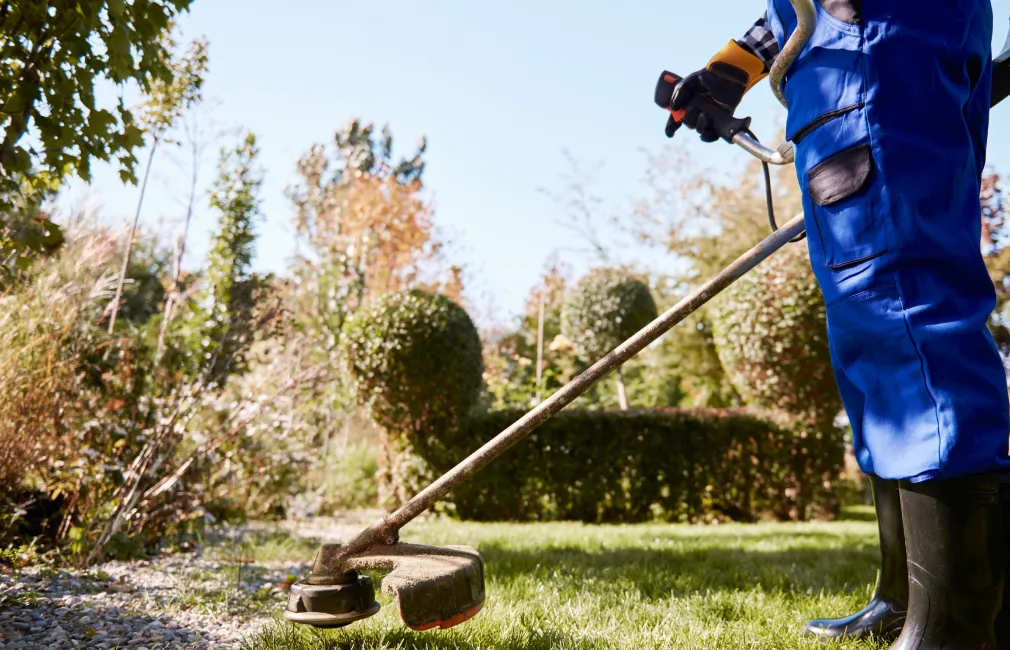
Keystone Green Waste Disposal Types

Grass Clippings
-
Tree Branches
-
Leaves and Foliage
-
Shrub Trimmings
-
Weeds and Plant Debris
-
Mulch and Wood Chips
-
Garden Soil and Sod
Our Green Waste Disposal Process
Collection of Green Waste
Sorting and Separation
Transport to Disposal Facility
Eco-Friendly Processing
Why Choose Keystone Landscape Services
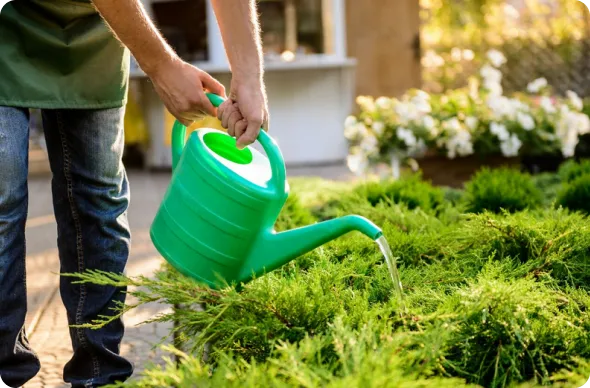
-
Keystone Homeowners Trust Us
-
Expert Lawn Maintenance
-
Reliable Seasonal Cleanup
-
Competitive Pricing
-
Professional Team
-
Satisfaction Guarantee
-
Personalized Service
Coordinating Green Waste Disposal with Keystone’s Public Works and Stormwater Systems
Green waste disposal in Keystone, FL is managed through Hillsborough County’s coordinated public works and stormwater infrastructure. Residents and property managers must ensure that yard trimmings, leaves, and other organic debris are properly prepared for curbside collection or drop-off at designated facilities. Bundling, containerization, and placement requirements are enforced to prevent debris from entering swales, canals, or storm drains, which can cause blockages and water quality issues. The county’s public works department provides operational guidance on collection schedules, accepted materials, and storm debris handling. For large-scale or commercial green waste, additional arrangements may be necessary to comply with county protocols. Always verify current collection procedures and avoid placing debris in the right-of-way outside of approved windows to maintain compliance and protect local drainage systems.
Hillsborough County Public Works Department
601 E Kennedy Blvd, Tampa, FL 33602
Official Website: Hillsborough County Public Works Department
How Keystone’s Inland Peninsula Conditions Shape Green Waste Disposal Practices
Keystone is situated within Central Florida’s inland peninsula, characterized by a humid subtropical climate, sandy and fill-based soils, and a pronounced wet season from late spring through early fall. These conditions influence both the volume and timing of green waste generation. Key local factors include:
- High rainfall during the wet season, which accelerates vegetative growth and increases the frequency of yard waste production
- Predominantly sandy soils that drain quickly but can contribute to nutrient leaching and rapid decomposition of organic debris
- Numerous swales, canals, and retention ponds that require vigilant debris management to prevent stormwater blockages and localized flooding
The USDA Plant Hardiness Zone for Keystone is 9b, supporting a wide range of subtropical plantings that contribute to year-round green waste. Residents should be aware that improper disposal can lead to runoff issues, especially during heavy summer storms, and that sandy soils may not retain nutrients from decomposing waste, making proper collection and composting essential for environmental stewardship.
Regulatory Requirements and Environmental Compliance for Green Waste in Keystone
Green waste disposal in Keystone is subject to both county-level and state environmental regulations. Hillsborough County enforces municipal codes that prohibit dumping yard debris into public rights-of-way, waterways, or storm drains. Code enforcement officers may issue citations for improper disposal or for allowing debris to accumulate in a manner that obstructs drainage or creates a nuisance. The Florida DEP NPDES Stormwater Program provides additional regulatory context, emphasizing the importance of keeping organic waste out of stormwater systems to protect water quality. The Clean Water Act also underpins local requirements by mandating controls on pollutant discharges, including vegetative debris, into surface waters. For any questions regarding compliance or to report violations, residents can contact the county’s code enforcement division.
Hillsborough County Code Enforcement
601 E Kennedy Blvd, Tampa, FL 33602
Official Website: Hillsborough County Code Enforcement
Professional Standards and Timing for Green Waste Disposal in Keystone’s Climate
Effective green waste disposal in Keystone requires attention to both timing and technique, especially given the region’s rapid vegetative growth and frequent storms. Professional standards recommend:
- Scheduling major yard cleanups and green waste removal before the onset of the wet season to minimize stormwater obstruction
- Using biodegradable bags or bundling branches according to county specifications to facilitate efficient collection
- Keeping all green waste at least several feet from swales, storm drains, and canal edges to prevent accidental wash-in during heavy rain
- Avoiding disposal of soil, rocks, or non-organic materials with green waste, as these are not accepted in standard yard debris programs
For up-to-date collection schedules and preparation guidelines, consult the county’s public works department. Adhering to these standards helps maintain neighborhood aesthetics, supports stormwater management, and reduces the risk of localized flooding or water quality violations.
What Neighborhoods Do We Serve Throughout Keystone, FL?
- Keystone Park Colony This area features large lots with mature landscaping and extensive canal frontage, requiring careful debris management to protect water quality.
- Lake Fern Villas Properties here often border lakes and retention ponds, making proper green waste containment essential to prevent runoff into sensitive water bodies.
- Odessa Woods With wooded lots and shaded yards, this neighborhood generates significant leaf and branch debris, especially after summer storms.
- Citrus Park Subdivisions in this area have newer fill-based soils and engineered drainage, necessitating strict adherence to curbside collection rules.
- Twin Branch Acres Known for equestrian properties and expansive green spaces, this district faces unique challenges in managing large volumes of organic waste.
- North Mobley Road Corridor Homes along this corridor often have direct access to swales and ditches, requiring vigilant green waste placement to avoid drainage blockages.